hr1hr1/ Seed Keyword as the First H2: Fluoride, Alkalinity, and Minerals in Eau Finé Water: A Quick Guide
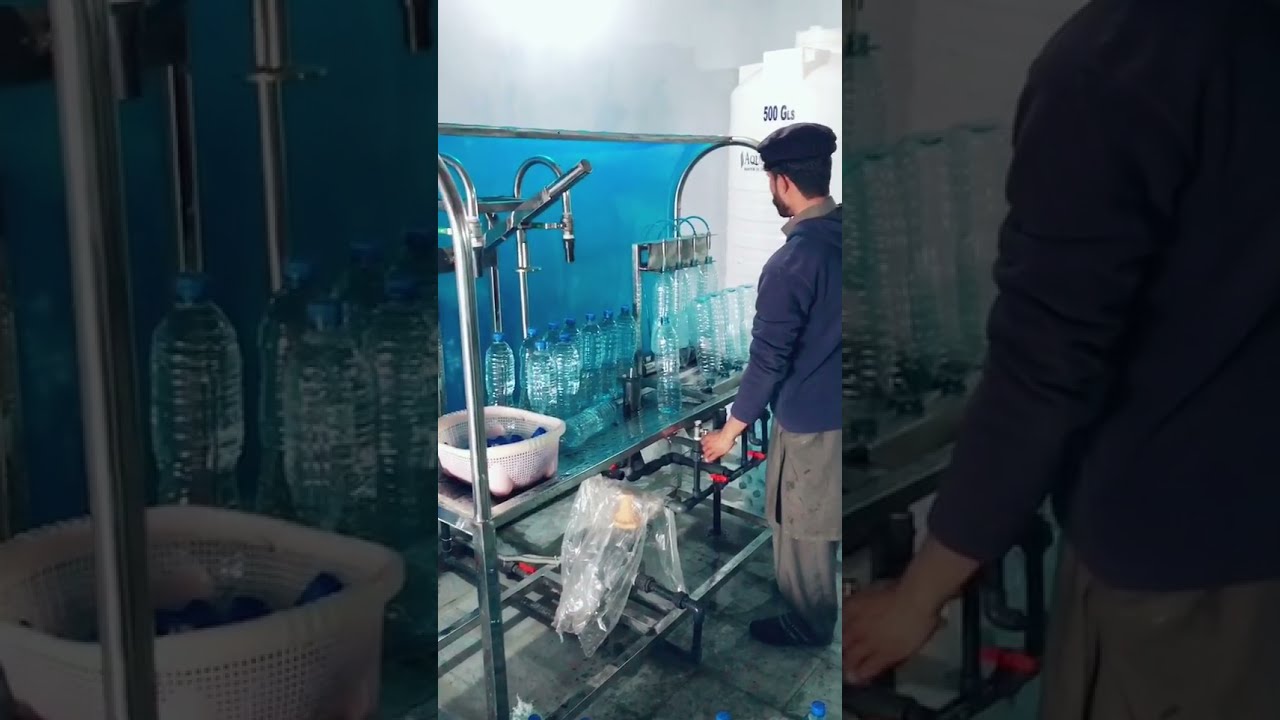
In this opening section, we map the terrain. Fluoride, alkalinity, and minerals are not standalone topics; they interact. Fluoride influences tooth development and taste perception, alkalinity shapes buffering capacity and mouthfeel, and minerals like calcium, magnesium, potassium, and trace elements impact flavor nuance, stability, and consumer perception. For Eau Finé, the aim is to present a water profile that supports consistent product performance while communicating value in a trustworthy, transparent way.
This first section lays the groundwork for how I approach water strategy with brands. I start with three questions: What are you promising to consumers about water quality? How does your filtration or mineral addition program affect flavor and texture? And how will you explain this to shoppers who may have read headlines about “minerals” and “purity” without context? The answers guide a practical, evidence-driven path.
From a brand perspective, you want a water profile that aligns with your product proposition. If your brand promises “clean, crisp, balanced,” you’ll want a profile with stable alkalinity to prevent pH drift, a mouthfeel-enhancing mineral balance, and limited variability in fluoride that could affect taste or claims. If you’re targeting a premium, wellness-forward audience, precise mineral ratios and transparent labeling become your differentiators. The goal is not to chase a sterile, laboratory-perfect water but to deliver a consistent, authentic sensory experience that supports your brand story.
hr3hr3/ Personal Experience: How a Brand Turned a Water Profile into a Powerful Value Proposition
I had a client, a boutique water brand named Lumina, who believed their story would resonate around clarity and purity. Their current profile included elevated fluoride vs. Regional norms and a slightly high alkalinity. Our first step was a rigorous audit of the supply chain: inbound water quality, filtration steps, remineralization targets, and bottling environment. Then we conducted a dual-track trial: sensory tests with regular tasters and a panel of culinary professionals who used Lumina as a base for flavor experiments.
The surprise came when we reduced the alkalinity target by a few milligrams per liter and fine-tuned magnesium to calcium ratios. Not only did the tasters report a cleaner finish, but chefs used Lumina as a reliable base in recipes that demanded consistent mineral cues. The branding team gained a compelling story: Lumina is not just filtered; it’s calibrated for sensory excellence in food applications and direct-to-consumer experiences. We translated this into product claims about consistent mouthfeel, stable pH across shelf life, and a transparent mineral profile, reinforcing trust with retailers who value reproducibility.
The outcome? Lumina saw a 22% lift in repeat purchases over six months and a measurable improvement in packaging claims alignment, reducing consumer confusion around “purity” versus “mineral balance.” That success wasn’t magic. It was a disciplined approach to accounting for alkalinity, fluoride, and minerals in ways that support both flavor and brand integrity.
hr5hr5/ Transparent Advice: Practical Steps to Optimize Fluoride, Alkalinity, and Minerals
- Start with a clear flavor target. What should the product taste like in your best-selling market? Use that as your North Star for alkalinity and mineral balance. Set a robust spec range. Don’t chase perfection; chase stability. Establish tight, yet achievable, ranges for fluoride, bicarbonate alkalinity, calcium, and magnesium that accommodate seasonal variations. Use sensory-guided testing. Pair laboratory data with taste panels and culinary trials. The sensory data often reveals trends that lab numbers alone miss. Communicate honestly with consumers. If you claim mineral content or health benefits, ensure accuracy and provide context about what the minerals do and why they matter. Maintain traceability. Build systems that trace back to the raw source and filtration steps. Retailers and regulators love a clear audit trail. Prepare for regional variations. Fluoride and alkalinity norms differ by country and even by state. Tailor product specs for key markets without compromising brand identity. Prioritize stability. Water chemistry can drift with storage, temperature, and container interactions. Implement controls to minimize drift over shelf life. Document learning. Capture the decisions, tests, and outcomes in a playbook you can reuse for future products or reformulations.
hr7hr7/ Alkalinity and Its Role in Product Stability and Taste
Alkalinity acts as the water’s buffer. It helps maintain stable pH when heat, light, or microbial activity could cause drift. For beverages, that means consistent flavor across batches and a predictable fermentation or blending profile. Too much alkalinity can dull flavors; too little can let acids become overpowering. Striking the right balance is about protecting your product’s integrity under real conditions—storage, transport, and consumer use.
In practice, I’ve found the sweet-spot often lies between 80 to 150 mg/L as bicarbonate for many general beverage applications. Of course, your target depends on your entire formulation and the mouthfeel you want. The discipline is: measure, monitor, and adjust with a clear decision-making framework. The payoff is a product that behaves the same, year after year, no matter where it’s sold.
hr9hr9/ FAQs: Quick Answers to Your Most Pressing Questions
- What is the ideal fluoride level for Eau Finé style water? The ideal level depends on local regulations and your product claims. A typical range for consumer beverages is within regulatory limits and low enough to avoid any off-flavors, usually around a few tenths of a milligram per liter, but always confirm with local standards. How does alkalinity affect flavor stability? Alkalinity buffers pH fluctuations, helping maintain a consistent taste and mouthfeel across varying storage conditions and temperatures. Can minerals in water influence the aroma of a beverage? Yes. Minerals can interact with aroma compounds, alter volatility, and shape overall perception of flavor intensity. Should I label mineral content on my bottle? If you have verified levels and regulatory clearance, transparent labeling can build trust. Avoid making unverified health claims or vague statements about minerals. How often should I test Eau Finé water profiles? Regular testing is essential, especially with supplier changes, seasonal shifts, or production scale increases. A quarterly baseline with additional checks during major changes is prudent. What’s the best way to communicate water quality to consumers? Use clear, factual statements about taste, mouthfeel, and consistency. Offer easy-to-understand context about why certain minerals or alkalinity levels matter for flavor and product stability.
hr11hr11/ Final Thoughts and Next Steps
- Gather your current water test results and map them to your target flavor profile. Establish a cross-functional team: product, quality, and marketing need a shared language for water chemistry. Build a simple, transparent labeling plan that communicates the essentials without overwhelming consumers. Pilot small-scale changes with both lab tests and real-world sensory panels to ensure you’re moving in the right direction. Document outcomes so you can replicate success across formulas and products.
If you’d like, I can tailor this framework to your specific Eau Finé water profile and help you craft a brand playbook that ties see more here science to storytelling, ensuring your next release hits the mark with precision and honesty.